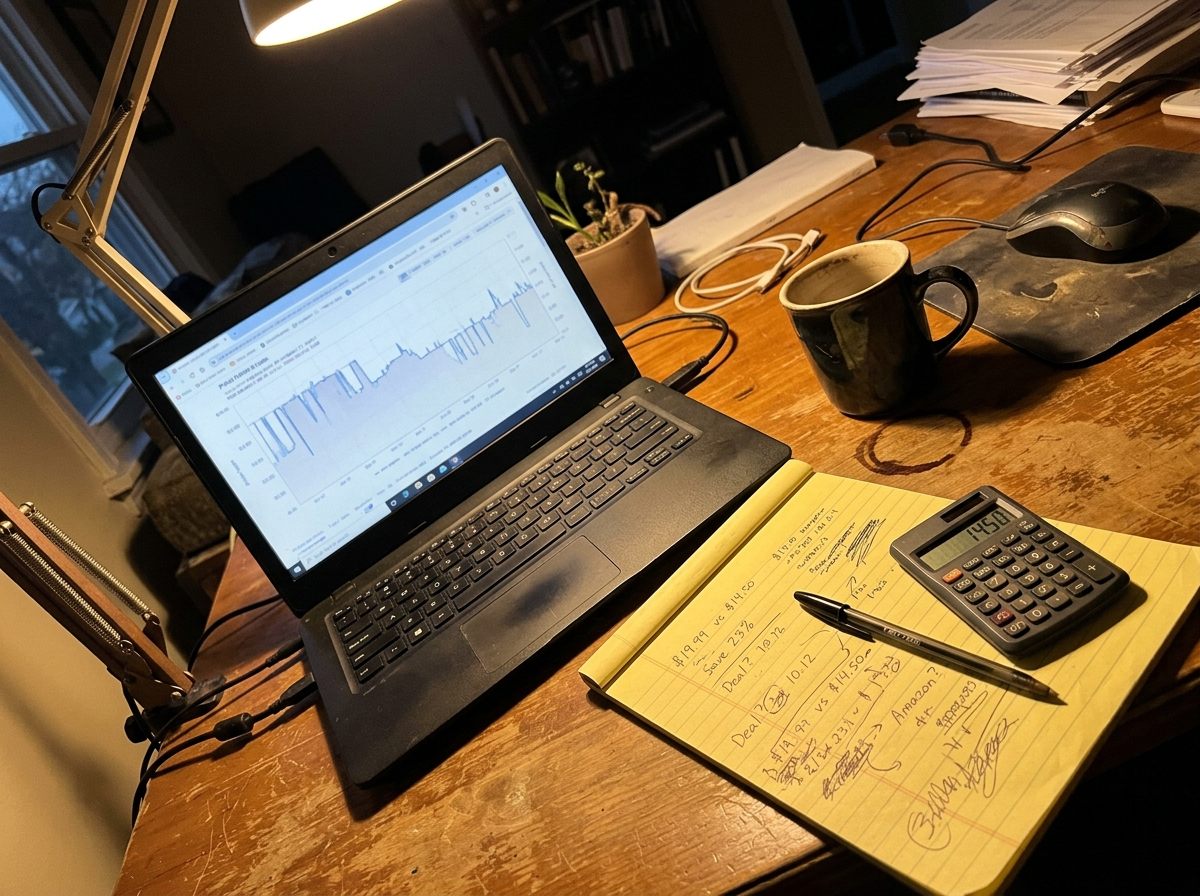
A deal only earns a spot on Wow Discounts if it survives a process. Before anything gets published, somebody on our team has to source it, check what the product has actually cost over time, confirm it's in stock at the price we're quoting, and decide whether they'd genuinely tell a friend to buy it. If it can't clear all of that, it doesn't go up — no matter how good the headline number looks.
We wrote this page because "trust us, it's a great deal" isn't good enough, and you shouldn't accept it from any site. So here is exactly how we work: where we hunt, how we verify a discount is real, the four questions every deal has to pass, the things we refuse to do, and what happens on the days we get it wrong. Read it, hold us to it, and email us when we fall short.
Where we look for deals
Good deals don't announce themselves in one tidy place, so we cast a wide net and check it constantly. Our day starts on retailer deal and clearance pages — the "today's deals," "outlet," and "warehouse" sections at the major stores — because that's where genuine markdowns surface first, before they get repackaged by aggregators. We pay particular attention to clearance and open-box listings, where a returned or lightly handled item can be 20–40% off the same product sitting two shelves over in a sealed box.
We also run price-drop alerts on a standing list of products we already consider worth owning. Rather than reacting to whatever's loudest on a given morning, we wait for things we'd already recommend to fall to a price that makes them an easy yes. That keeps our coverage tilted toward stuff that's actually good, not just stuff that's cheap.
The last source is you. Reader tips are some of our best leads, because a person who just bought something and loves it at a price will tell you about it with a specificity no press release ever matches. We can't feature every tip, but every one gets checked against the same process below. If you've found something, send it to us through the contact page.
The price-history check
Here's the part most "deal" sites skip, and it's the single most important step we take. A big red "was/now" number means nothing on its own. The only thing that tells you whether a sale is real is the price the item has actually sold for over the past weeks and months. So before we call anything a discount, we pull its price history.
We lean on neutral, third-party price-tracking tools — the kind of services that chart a product's price over time, such as camelcamelcamel for Amazon listings or browser tools like Keepa that overlay historical pricing right on the product page. We're not affiliated with those tools and we don't earn anything from mentioning them; we just use them the same way a careful shopper would. The question we're answering is simple: is today's price genuinely lower than what this thing normally costs, or is the "sale" just a return to its everyday price after a brief, convenient markup?
The most common fake discount isn't a made-up "original" price — it's a real product quietly nudged up for a week, then "marked down" to exactly what it always cost. Price history is the only thing that catches it.
That distinction is the whole game, and it's why we'd rather show you the work than ask you to take our word for it. If you want a deeper walkthrough of the tricks that make a non-deal look like a deal, we wrote a full guide on how to spot a fake discount that you can use to pressure-test anything — including us.
The four questions every deal has to pass
Once a deal clears the price-history check, it goes through four plain questions. We ask them in this order, every time, and a "no" on any one of them is a dealbreaker.
1. Is it actually below the typical price? Not below a fictional MSRP, not below one inflated week — below what the item has genuinely been selling for. If the savings are small or imaginary once you account for history, we either say so plainly or skip it.
2. Is it in stock at that price? A great price on a sold-out item is just a screenshot. We confirm the product is actually available, and that the discount applies at checkout rather than to some unavailable variant, color, or size hidden behind the headline.
3. Is the seller reputable? We look at who's actually fulfilling the order, the store's return policy, and its track record. A rock-bottom price from a seller you can't get a refund from isn't a bargain — it's a gamble, and we won't send you into one.
4. Would we tell a friend to buy it? This is the gut-check that ties the other three together. If the price is real, it's in stock, and the seller is solid, but we still wouldn't recommend the product itself to someone we like, it doesn't belong on the site. A cheap version of something you'll regret owning is not a deal.
What we won't do
Being honest about our process means being equally honest about the lines we won't cross. We make money through affiliate commissions — when you click one of our links and buy, the retailer may pay us a small cut, at no extra cost to you. That model only works if you can trust what we publish, so here's what it never buys.
We won't feature a deal just because it pays the best commission. The product and the price decide what gets covered; the payout doesn't get a vote. Plenty of high-commission offers never make it onto the site because they failed the four questions, and plenty of low- or no-commission picks run because they're genuinely good.
We won't use fake countdown timers or manufactured "only 2 left" panic. If there's a real, dated expiration on an offer, we'll tell you. We won't fabricate scarcity to rush you into a click.
We won't inflate "was" prices to make a discount look bigger than it is. The comparison price we show is meant to reflect what the item realistically cost before the markdown — not the highest number we could find to make the math look dramatic.
And we won't pretend a so-so deal is a great one. Sometimes the most useful thing we can say is "this is a modest discount — fine if you need it now, worth waiting on if you don't." We'd rather tell you that than oversell a mediocre price and burn your trust on it. All of this is spelled out further in our editorial standards and our affiliate disclosure, and both pages exist so you can check our behavior against our promises.
When we get it wrong
We will get things wrong sometimes, and we'd rather say that out loud than pretend otherwise. Prices move fast — a deal that was real and verified when we hit publish at 9 a.m. can sell out, change, or quietly creep back up by lunch. That's the nature of online pricing, and no amount of process makes it perfectly stable.
So we build for it. Every post is dated, so you can see when the price was checked and judge for yourself how stale it might be. When we learn a featured deal has expired or shifted, we update or flag the post rather than leaving an out-of-date number sitting there. And we genuinely welcome corrections — if you click through and the price doesn't match what we wrote, that's a problem we want to hear about, fast. Tell us, and we'll fix it.
None of this is complicated, and that's the point. We look in the right places, we check price history instead of trusting a sticker, we run every deal through four honest questions, we refuse to let commissions steer the coverage, and we own our mistakes when prices move out from under us. Our affiliate links keep the lights on, but they never change what we recommend or what you pay. If a deal can't clear that bar, you won't see it here — and that's exactly the standard we want you to hold us to.