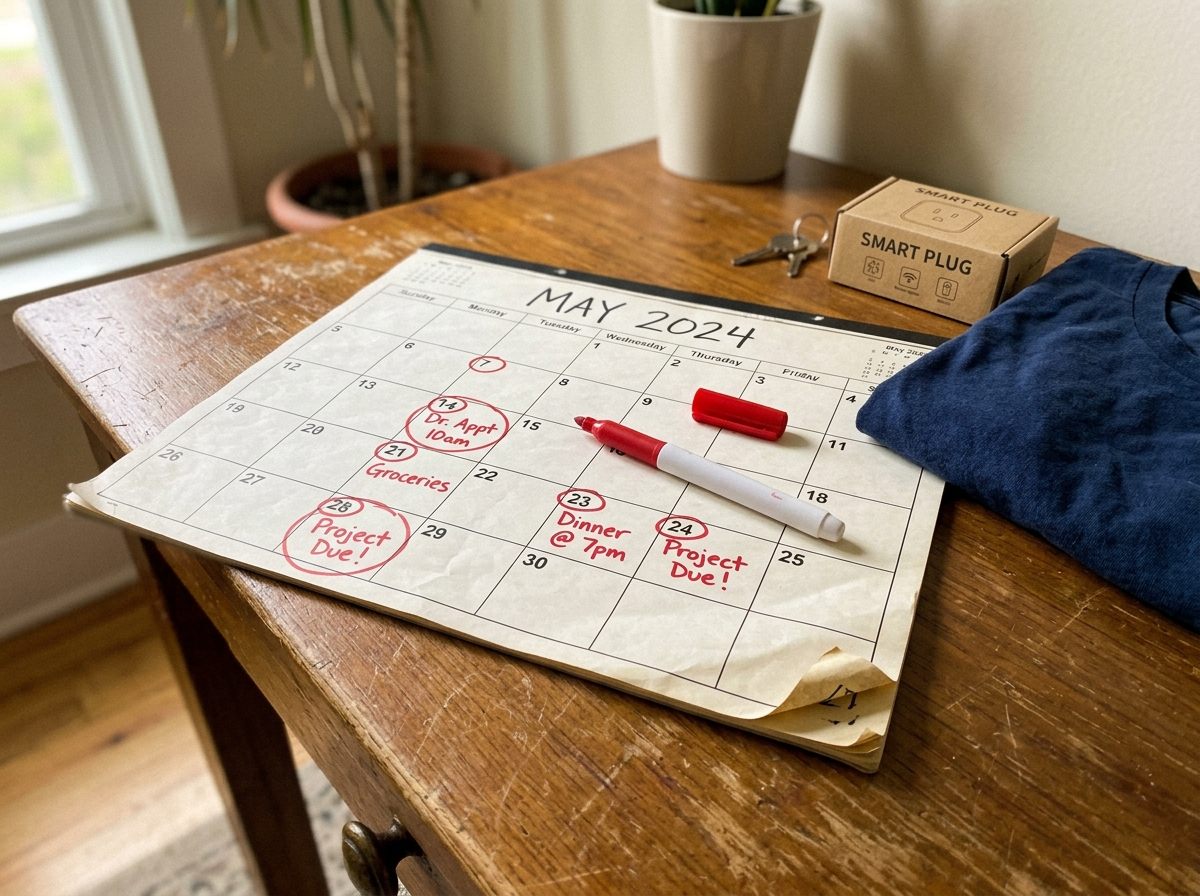
Most of what you buy isn't actually urgent. You want a new TV, a better mattress, a grill for the backyard — but you could comfortably wait a few weeks or a couple of months if it meant paying less. That gap between "I want it" and "I need it right now" is the most underused money-saving tool there is, because retail prices aren't random. They move in cycles. New models launch on a schedule, holidays bring predictable promotions, and last season's stock gets cleared out to make room for the next. Once you can see those cycles, you stop buying on impulse and start buying on the calendar.
None of this requires coupons, apps, or haggling. It just requires knowing roughly when a given category tends to go on sale and being patient enough to wait for it. Below is a practical, season-by-season guide to when prices on the big stuff usually soften. Treat it as a planning tool, not a guarantee — every store runs its own promotions and every item has its own price history. But if you line up a non-urgent purchase with the right window, you've already done the hard part.
Winter (January & February): clearance season and the post-holiday lull
January is quietly one of the best months of the year to shop, mostly because stores are desperate to clear out anything left over from the holidays and the previous season. Retailers want a clean slate for the new year, and that shows up in the price tags.
- Fitness gear. The "new year, new me" surge means treadmills, dumbbells, and exercise bikes get heavily promoted in January. Demand is high but so is competition, so the discounts tend to be real.
- Winter clothing and coats. By mid-to-late January, cold-weather apparel hits clearance racks. You're buying out of season, but if you can plan a year ahead, a heavy coat at 50% off in January beats full price next November.
- TVs around the big game. The lead-up to the early-February football championship is a classic window for television deals, as stores compete to be where you upgrade your screen before the party.
- Linens and "white sales." The January white-sale tradition is still alive: sheets, towels, and bedding routinely drop in price this month. It's an old retail rhythm that never really went away.
February carries a lot of January's momentum. It's a strong stretch for TVs again, since last year's models are being marked down to make room for the new lineup that arrives in spring. It's also a good time to look at last-generation smartphones, which see price cuts as newer handsets dominate the shelves. And because winter sports are winding down, skis, snowboards, and cold-weather gear start sliding into clearance.
Spring (March, April & May): mattresses, cleaning gear, and old-model tech
Spring is when a lot of households start refreshing the home, and retailers know it. The promotions follow.
- Mattresses around Memorial Day. The late-May holiday weekend is the traditional mattress event of the spring. It's one of the most reliably promoted categories of the entire year, so there's rarely a reason to pay full price for a bed in May.
- Vacuums. New vacuum models often arrive in spring, which pushes the previous generation into discount territory. A perfectly capable last-year vacuum is frequently the best value on the floor.
- Spring-cleaning tools. Cleaning supplies, storage bins, and organization gear get featured heavily as people tackle the post-winter deep clean. Stocking up during these promotions is easy savings on stuff you'll use anyway.
- Old-model laptops. Spring is a sweet spot for last-generation computers. As fresh models roll out, the perfectly good previous version drops in price — and for most people the difference in real-world performance is negligible.
March specifically tends to be good for the tail end of winter clearance plus early spring promotions on home goods. It's also a reasonable window for luggage, which often gets marked down before the busy summer travel season kicks in. The general theme of spring is transition: stores are clearing winter and previewing summer, and the in-between products are where the bargains hide.
The cheapest version of almost anything is usually the one that came out twelve months ago. "Newest" and "best value" are rarely the same product on the same day — and for most buyers, last year's model does everything they actually need.
Summer (June & July): clearance on the outdoors and the big midyear sales
By summer, the seasonal logic flips. The fitness and outdoor gear that was hot in January is now being cleared out, and a couple of major sales events anchor the calendar.
- Gym and outdoor equipment in clearance. Six months after the New Year rush, exercise equipment and outdoor recreation gear often hit their low points as stores move inventory. If you didn't bite in January, summer gives you a second chance — often at a better price.
- Midyear online sales events. The big midsummer sale events run by major online retailers have become a fixture. They're genuinely good for electronics, household basics, and home gadgets — though the same fake-discount caution applies. Not every "deal" badge is a real deal.
- Tools around Father's Day. Mid-June brings a wave of promotions on power tools, hand tools, and tool sets. If a drill or a tool chest is on your list, this is a natural window to buy.
July is also a decent time for indoor furniture, as showrooms make room for new fall collections, and for swimwear and warm-weather apparel that's already being nudged toward clearance even though summer isn't over. If you live somewhere with a long warm season, buying summer clothes in late July at a discount is an easy win.
Fall (August & September): back-to-school tech and patio clearance
Fall is a two-sided season for deals. On one side, back-to-school season drives promotions on anything a student might need. On the other, summer is ending, so anything tied to warm weather gets cleared out.
- Back-to-school laptops and dorm goods. Late summer into September is a strong stretch for computers, monitors, and the small-appliance-and-storage gear that fills a dorm room. The deals aren't only for students — anyone can take advantage of back-to-school pricing.
- Grills and patio furniture in clearance. This is the big one for the backyard. As the grilling season winds down, grills, outdoor furniture, and patio accessories get marked down hard to clear the floor. If you can store it over winter, fall is the time to buy outdoor gear.
- Summer apparel. Warm-weather clothing continues its slide into clearance through August and September. Shorts, sandals, and swimwear are often at their cheapest right as you stop needing them — which is exactly why planning ahead pays.
September also starts the early run-up to the biggest shopping season of the year. Some retailers begin teasing "early holiday" promotions, and while the deepest discounts usually wait for late November, it's worth starting to track prices on anything you plan to buy in the coming months so you know a real deal when you see one.
Late fall & the holidays (October, November & December): the main event
This is the stretch most people associate with deals, and for good reason — but it rewards preparation more than enthusiasm.
- Black Friday and Cyber Monday electronics. The late-November shopping weekend remains the headline event for TVs, laptops, headphones, and gadgets. The discounts can be excellent, but this is also the season with the most theatrical "original" prices, so cross-checking against a price history matters more here than at any other time of year.
- Appliances around the holidays. Large appliances — refrigerators, washers, ranges — frequently see strong promotions during the November-into-December holiday stretch. Combine a holiday sale with a still-available previous model and you can do very well.
- Toys later in December. Toy prices often soften as the holiday gets closer, since retailers don't want to be stuck with inventory after the gift-giving window closes. Waiting carries the risk of a sellout, but for less popular items the later-December markdowns can be real.
- End-of-year car-model clearance. December is a classic month for outgoing-model-year vehicles, as dealers push to clear lots before the calendar turns. The same end-of-year clearance logic applies to plenty of big-ticket categories.
December is also full of gift-card-adjacent promotions and bonus offers, which can stretch a budget if you were already planning to buy from a particular store. As always, the trick is to want the thing first and let the promotion be the reason you buy now rather than later — not the reason you buy at all.
A few honest caveats before you start "waiting for the sale"
Timing is powerful, but it has limits, and it's worth being clear-eyed about them.
First and most important: this only helps for non-urgent purchases. If your fridge died this morning, you need a fridge today — and the cheapest fridge in November does you no good in June. Don't let a buying calendar talk you into suffering through a real need just to save a few dollars. When you need it, buy it. The calendar is for the wants you can schedule, not the emergencies you can't.
Second, a "seasonal sale" is not a promise of a low price. The patterns above describe when categories tend to be promoted, not a guarantee that any specific item will be cheap on any specific day. A mattress brand might skip the Memorial Day event entirely. A TV that's "on sale" for the big game might still cost more than it did a month earlier. The season tells you where to look; it doesn't tell you that you've found a deal. That's why checking an individual item's price history is non-negotiable. Pull up where that exact model has actually sold over the past several months, and let the real number — not the tag — decide whether you're getting value. If the math feels off, revisit how to spot a fake discount and trust the history over the headline.
Third, prices vary by store, region, and year. Promotions shift, retail calendars evolve, and what was a reliable window last year can move. Use this guide as a starting framework, not a fixed law. The goal isn't to memorize dates — it's to build the habit of asking "is now actually a good time to buy this?" before you check out.
The takeaway
You don't need to become a deal-hunting obsessive to spend meaningfully less. You just need to separate the purchases you can time from the ones you can't, and then let the retail calendar do some of the work. Buy mattresses in late May, grills in the fall, TVs in late winter or late November, last year's tech whenever the new model lands. Pair that timing with a quick price-history check so a "sale" actually means something, and you'll routinely pay less for the exact same things you were going to buy anyway. That's the whole game: patience, a little planning, and a healthy skepticism toward the word "sale."